Dothraki Songs and Lullabies: Music of the Khalasar
Quick Answer: A handful of genuine Dothraki songs do exist, written by David J. Peterson for chants heard in Khalasar and Dosh Khaleen scenes. Beyond those, the Dothraki music circulating in fandom is fan-made, built on Peterson's published grammar and vocabulary rather than official canon.
The Dothraki are a singing culture. The books describe riders chanting as they cross the great grassland, mothers humming to children strapped to saddles, and warriors howling war songs before battle. The show captures fragments of this — the Khalasar's chants, the Dosh Khaleen's vision songs — but the wider tradition lives mostly in the imagination of George R.R. Martin and the fans.
This is a guide to what we actually know about Dothraki music, the canonical fragments that exist, the fan tradition that has grown around them, and how to write your own Dothraki song using Peterson's documented vocabulary.
The Cultural Place of Music
Three things shape Dothraki music as Martin describes it.
1. Music is part of riding. A Dothraki who is not riding is barely a Dothraki. Songs accompany travel, and the rhythm of the song matches the rhythm of the horse. This is why Dothraki vocal music is described as percussive rather than melodic.
2. Music is part of war. Battles open with chants. The chant Rakhi rakhi rakhi ji! (literally "boys, boys, boys, indeed!") appears in the show as a taunt before combat — bloodriders calling enemy warriors children. Songs build before a charge.
3. Music is part of birth and death. Mothers sing lullabies (iffi is the canonical Dothraki word for the soothing sound). The Dosh Khaleen sing prophecies in vision-states. Death has its own song-form — the mourner's lament — though no canonical lyric has been published.
What Canon Tells Us
"M'athchomaroon" — want to actually speak Dothraki?
Try It Free →The on-screen Dothraki music in Game of Thrones falls into three categories:
Chants — short percussive phrases repeated. Peterson wrote several for the show. The Drogo blood-pledge chant in Season 1 and the Vaes Dothrak temple chants in Season 6 are the most prominent.
Speech-songs — sustained prophetic or ceremonial speech with a sing-song cadence. The Dosh Khaleen scenes use this form. The "Stallion Who Mounts the World" prophecy is the canonical example: Khalakka dothrae mr'anha — Khalakkes vezhven anha vekha (extrapolated; "a prince rides inside me — a great prince I carry").
Background score — the orchestral music by Ramin Djawadi is not Dothraki music within the world; it is composer score. We exclude it from this guide.
The Song of the Dothraki Sea
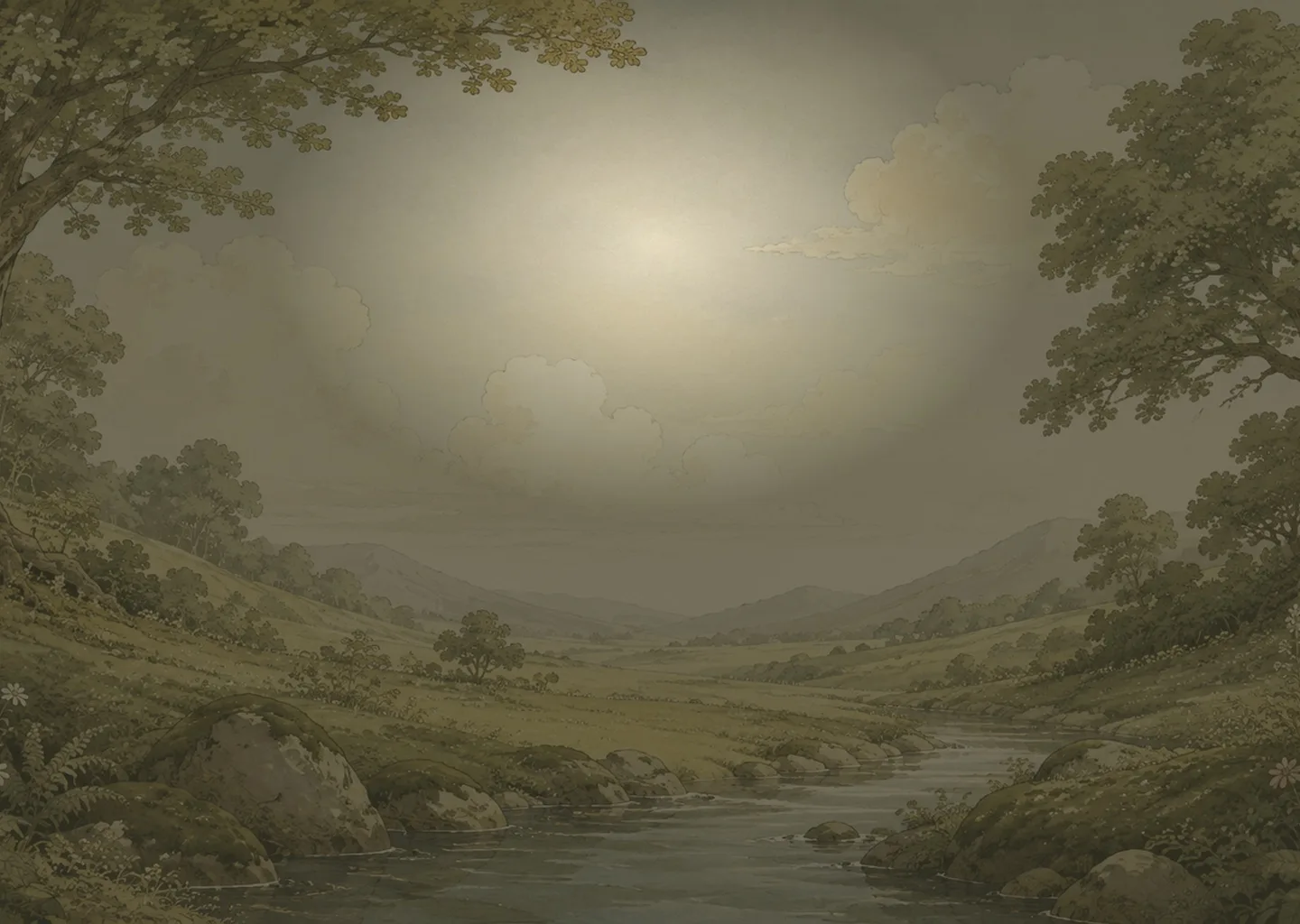
The havazh dothraki — Dothraki Sea — is the great grassland the Dothraki roam. It is the central geographic and emotional landscape of the culture. Martin's books describe riders singing of the grass itself: how it greens in spring, browns in summer, and rolls in waves under the wind.
There is no single canonical lyric titled "the Song of the Dothraki Sea." But there is enough vocabulary in canon to assemble one. Here is a fan-composed verse using only Peterson-documented words:
Havazh dothraki, asavva ma rhaeHrazef dothra, anha thirak ki mae
Translation (literal): "Dothraki Sea, sky and grass / Horse rides, I live by it."
This is grammatical Dothraki but it is fan composition, not Peterson canon. Treat it as a starting point for your own writing rather than a quotable lyric.
Lullabies
The Dothraki word iffi is the only canonical lullaby-specific vocabulary item. It functions like English "hush" or Spanish "duerme" — a soothing exclamation used to settle a child. Peterson confirmed it as canonical in his old blog notes.
Mothers singing lullabies on horseback is described in the books but no full lyric is provided. A fan-composed lullaby that follows Peterson's grammar:
Iffi, iffi, khalakki anniAsavva chiori, hrazef yeriIffi, iffi, thiri chek
Translation (literal): "Hush, hush, my little prince / The sky watches, your horse waits / Hush, hush, live well."
Again — this is fan composition. The vocabulary (iffi, khalakki, asavva, chiori, hrazef, thiri, chek) is canon. The arrangement is not.
War Chants
War chants are the most documented Dothraki song form because the show needed them on screen.
The Drogo bloodriders' chant before the Lhazareen raid in Season 1 (canon):
Rakhi rakhi rakhi ji!"Boys, boys, boys, indeed!" — used as a taunt to call enemy fighters children.
Peterson confirmed this as canonical. The chant works because Dothraki distinguishes mahrazh (man, warrior) from rakh (boy). Calling enemies rakhi is a deep insult.
Other war chants in the show include the assembled Khalasar's marching chants in the closing season, where the warriors shout Anha! Anha! Anha! — "I! I! I!" — affirming their presence before battle.
A fan-composed war chant grammatically valid in Dothraki:
Anha mahrazh! Anha vezhven!Arakh anni qoy ovrasae!
Translation: "I am a man! I am a great warrior! / My arakh drinks blood!"
The Dosh Khaleen's Prophecy Songs
The Dosh Khaleen are the council of crones at Vaes Dothrak. They prophesy in a chanting, ceremonial cadence. The most famous example is the Stallion Who Mounts the World prophecy. In the books, this is described as a vision chanted in front of the assembled khalasar.
Fragments of Dothraki prophecy speech that appear in the show:
Khalakka dothrae— "a prince rides"Khalakka dothrae mr'anha— "a prince rides within me"Athdrivar arakhoon— "death by arakh" (extrapolated)
The cadence is slow, repetitive, and sustained — closer to liturgical chant than to song with a melody.
How to Write a Dothraki Song
Three rules for fan compositions that respect the language.
1. Use the documented vocabulary. The Dothraki wiki lists about 3,000 attested words. Pick from these. Inventing new vocabulary turns your song into Klingon-flavoured English nonsense rather than Dothraki.
2. Respect SVO grammar. Subject, then verb, then object. Adjectives follow the noun. Prepositions go before the noun phrase. Case endings on direct and indirect objects.
3. Keep the cadence percussive. Dothraki phonotactics produces a heavy consonant-rich sound. Long lyrical lines feel wrong. Aim for short lines, repeated motifs, drum-like emphasis on stressed syllables.
Tengwar's AI tutor Mithrandir is constrained to Peterson's documented vocabulary, which makes it useful for grammar-checking original Dothraki lyrics. The free tier allows five chats — enough to verify a short song.
Where to Hear Dothraki Music
In the show:
- The Dothraki blood-pledge scene, Season 1
- The Khaleesi's pyre scene, Season 1 finale (chanting)
- The Vaes Dothrak temple sequence, Season 6 (sustained chanting)
- The marching khalasar scenes, Season 7
In the fandom:
- The Dothraki section of David J. Peterson's old YouTube videos
- Several fan-composed Dothraki songs on YouTube and SoundCloud
- The "Living Language Dothraki" audio supplement, which includes pronunciation of every entry
A Word on Authenticity
It is tempting to call any Dothraki song "fake" because the language was invented in 2009. That misses the point. The Dothraki songs that exist — whether Peterson-canon or fan-composed — are real artefacts of a real linguistic tradition that just happens to be young. The same was true of Esperanto songs in 1890, and nobody calls those fake now.
Write your song. Get the grammar right. Sing it on horseback if you can.
People Also Ask
Are there real Dothraki songs? Yes — a small number of Dothraki songs were composed by David J. Peterson for the show, including chants used in Khalasar scenes and the Dosh Khaleen sequences. Most Dothraki music in fandom is fan-composed using Peterson's documented vocabulary and grammar, not directly attested in canon.
What is the Song of the Dothraki Sea? The 'havazh dothraki' — Dothraki Sea — is the vast grassland the Dothraki roam. References in the books and show describe Dothraki riders singing as they ride, and the song of the grass rippling in the wind is a recurring metaphor. There is no single canonical 'Song of the Dothraki Sea' lyric, but the concept is core to Dothraki cultural identity.
Do the Dothraki sing lullabies?
Within the world, yes — Dothraki mothers sing to their children as they ride. Peterson confirmed in interviews that Dothraki has lullaby vocabulary, including iffi (a soothing exclamation) and verbs for rocking and singing. No full canonical lullaby lyric has been published; the fan community has composed several using Peterson's grammar.
What language are Dothraki war chants in? Dothraki war chants in the show are in Dothraki. The 'rakhi rakhi' chant from the Drogo bloodriders scene is a chant of warriors, and the Khalakka Dothrae prophecy is a sustained chant. Peterson composed all on-screen chants for the production.
Related Reading
- What Is Dothraki? The Language of the Horse Lords, Explained
- Dothraki Battle Cries from Game of Thrones
- Dothraki Proverbs and Wise Sayings
- Dothraki Horse Vocabulary
- Inside the Songs Tool: How Tengwar Turns Poetry Into Practice
- Dothraki Language Basics: Grammar, Vocabulary & Culture
Learn Dothraki with Tengwar
Tengwar offers free Dothraki lessons in a Duolingo-style format — the only mainstream platform teaching Dothraki, Elvish, and Klingon together. Start free →. For a full comparison of Dothraki learning resources, read our comparison of Dothraki learning apps.
People Also Ask
Are there real Dothraki songs?
Yes — a small number of Dothraki songs were composed by David J. Peterson for the show, including chants used in Khalasar scenes and the Dosh Khaleen sequences. Most Dothraki music in fandom is fan-composed using Peterson's documented vocabulary and grammar, not directly attested in canon.
What is the Song of the Dothraki Sea?
The 'havazh dothraki' — Dothraki Sea — is the vast grassland the Dothraki roam. References in the books and show describe Dothraki riders singing as they ride, and the song of the grass rippling in the wind is a recurring metaphor. There is no single canonical 'Song of the Dothraki Sea' lyric, but the concept is core to Dothraki cultural identity.
Do the Dothraki sing lullabies?
Within the world, yes — Dothraki mothers sing to their children as they ride. Peterson confirmed in interviews that Dothraki has lullaby vocabulary, including `iffi` (a soothing exclamation) and verbs for rocking and singing. No full canonical lullaby lyric has been published; the fan community has composed several using Peterson's grammar.
What language are Dothraki war chants in?
Dothraki war chants in the show are in Dothraki. The 'rakhi rakhi' chant from the Drogo bloodriders scene is a chant of warriors, and the Khalakka Dothrae prophecy is a sustained chant. Peterson composed all on-screen chants for the production.
Can I write my own Dothraki song?
Yes — Dothraki's grammar is productive, and many fans write Dothraki lyrics for fan films and weddings. Tengwar's AI tutor Mithrandir can help you check the grammar of original Dothraki lyrics against Peterson's documented rules. Start by drafting in English, then build line by line with vocabulary from the Dothraki wiki.