Gandalf Explained: Olórin, the Grey Pilgrim and the White Rider
Try It Yourself — Free Elvish Tools
Quick Answer: Gandalf is a Maia, a spirit of the same order as Sauron, who was called Olórin in Valinor and sent to Middle-earth about the year 1000 of the Third Age as one of the five Wizards. He wears Narya, the Ring of Fire, organises the quest of The Hobbit, identifies the One Ring, falls with the Balrog in Moria, is sent back as Gandalf the White, and leads the free peoples through the War of the Ring. In 3021 he sails West from the Grey Havens.
Gandalf is the character most readers meet first and understand least. In The Hobbit he is a grumpy old conjuror who sets off fireworks and disappears whenever things get dangerous. In The Lord of the Rings he becomes something much stranger: a figure who has walked the earth for two thousand years, who dies and comes back, who carries one of the Three Elven Rings in secret, and who refuses the One Ring because he knows exactly what he would become. Only The Silmarillion and Unfinished Tales tell us what he really is, and once you know it, every scene with him reads differently.
This guide follows his whole story, then his names, powers, origins and screen versions. Our own reading is marked as interpretation. For the meaning of Mithrandir in depth, see our dedicated post on Gandalf's Elvish name; for the order he belonged to, see the Wizards of Middle-earth.
Gandalf at a Glance
| What he is | A Maia, one of the lesser spirits who entered the world with the Valar (The Silmarillion, "Valaquenta") |
| Name in Valinor | Olórin (Quenya), connected with olor "dream, vision" (Unfinished Tales, "The Istari") |
| Elvish name | Mithrandir, Sindarin "Grey Pilgrim": mith "grey" + randir "wanderer" |
| Sent by | Manwë, with Varda's support (Unfinished Tales) |
| Arrival | About TA 1000, by sea at the Grey Havens (Appendix B) |
| Ring | Narya, the Ring of Fire, red stone; given by Círdan |
| Sword | Glamdring, "Foe-hammer", taken from the trolls' hoard (The Hobbit, ch. 3) |
| Horse | Shadowfax, chief of the Mearas of Rohan |
| Death | January 3019, on the peak of Zirakzigil after throwing down the Balrog (Appendix B) |
| Return | Sent back as Gandalf the White, February 3019 |
| Departure | Sails West from the Grey Havens, 29 September 3021 (Appendix B) |
| First appearance | The Hobbit (1937), chapter 1, "An Unexpected Party" |
| Film actor | Ian McKellen (The Lord of the Rings, 2001 to 2003; The Hobbit, 2012 to 2014) |
| Rings of Power | The Stranger, played by Daniel Weyman, named Gandalf at the end of Season 2 |
Gandalf Timeline
"Mae govannen" — want to actually speak Elvish?
Try It Free →The Third Age dates come from the Tale of Years in Appendix B of The Lord of the Rings. Valinor and the choosing of the Wizards come from the "Valaquenta" in The Silmarillion and from the essay "The Istari" in Unfinished Tales, which do not give years.
| Age and year | Event |
|---|---|
| Years of the Trees | Dwells in Lórien, the gardens of Irmo, and visits the house of Nienna; walks unseen among the Elves |
| Third Age c. 1000 | The Istari appear in Middle-earth; Círdan gives Narya to the grey-clad one who came last |
| TA 2063 | Gandalf goes to Dol Guldur; the hidden power there flees into the East; the Watchful Peace begins |
| TA 2463 | The White Council is formed; Saruman is chosen as its head after Gandalf declines |
| TA 2850 | Gandalf enters Dol Guldur again, learns the Necromancer is Sauron, and finds the dying Thráin |
| TA 2941 | Gandalf sends Thorin and Bilbo to Erebor; the White Council drives Sauron from Dol Guldur; Battle of Five Armies |
| TA 3001 | Bilbo's farewell feast; Gandalf begins to suspect the ring is the One |
| TA 3018, April | Gandalf tests the ring in Frodo's fire and confirms it is the One |
| TA 3018, July to September | Held captive on Orthanc by Saruman; rescued by Gwaihir |
| TA 3019, 15 January | Falls with the Balrog from the Bridge of Khazad-dûm |
| TA 3019, 25 January to 14 February | Throws down the Balrog on Zirakzigil, dies, and returns to life |
| TA 3019, March | Meets Aragorn, Legolas and Gimli in Fangorn; heals Théoden; breaks Saruman's staff; rides to Minas Tirith |
| TA 3019, 15 March | Battle of the Pelennor Fields; faces the Witch-king at the broken gate |
| TA 3019, 25 March | The One Ring is destroyed; Gandalf and Gwaihir rescue Frodo and Sam |
| TA 3021, 29 September | Sails West from the Grey Havens with Narya revealed on his hand |
Who Gandalf Is
The simplest way to understand Gandalf is to hold two facts together. First, he is not a man. He is a Maia, a spirit older than the Sun, of the same order of being as Sauron and the Balrogs. Second, for almost his entire time in Middle-earth he chooses to behave as if he were less than that: an old traveller with a staff, a hat, a temper and a weakness for good tobacco.
That gap between what he is and how he acts is the whole character. Tolkien's Wizards were sent with a deliberate handicap. They came in the bodies of ageing men, they were subject to hunger, weariness and doubt, and they were forbidden to win by force. Everything Gandalf achieves, he achieves by persuading people to be braver than they meant to be. Bilbo, Frodo, Aragorn and Théoden all do things they would never have done without him, and the decision stays theirs.
Olórin in Valinor
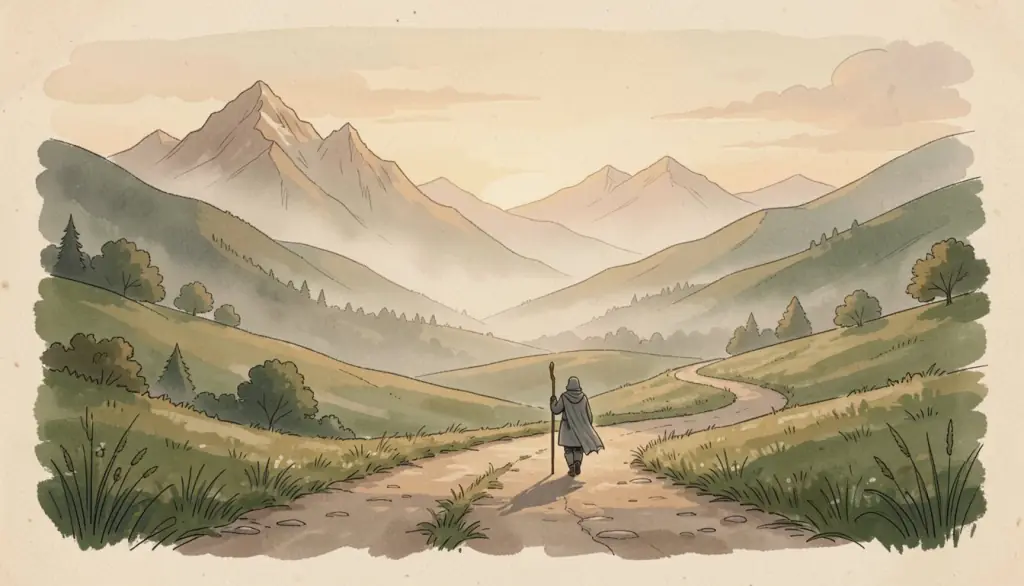
The only description of Gandalf before Middle-earth comes from the "Valaquenta", the short account of the Valar and Maiar that opens The Silmarillion. There he is Olórin, and he is called the wisest of the Maiar. He lived in Lórien, the gardens of Irmo, the Vala of visions and dreams, but often went to the house of Nienna, the Vala of grief and mercy. From Nienna, the text says, he learned pity and patience.
That one sentence explains more about The Lord of the Rings than most readers realise. Gandalf's most important speech to Frodo, in "The Shadow of the Past", is about pity: it was pity that stayed Bilbo's hand from killing Gollum, and Gandalf tells Frodo not to be quick to deal out death. The whole plot turns on that mercy, since Gollum is the one who finally takes the Ring into the fire. The patience shows in decades of waiting over Bilbo's ring.
The "Valaquenta" adds that Olórin loved the Elves and walked among them unseen, or in the form of one of them, and that those he visited did not know where the fair visions and wise thoughts in their hearts had come from. Before he ever wore grey, his method was fixed: he worked through other people's hearts, without claiming credit.
The name Olórin fits that role. Tolkien connected it with Quenya olor, "dream, vision" (Unfinished Tales, "The Istari"). Our post on the Elvish word for dream traces the root in more detail.
Chosen as One of the Istari
"The Istari" in Unfinished Tales describes how the Wizards were chosen. The text is a late essay, never finished or published by Tolkien, so it should be read as his developing thought rather than settled canon, but it is the only account we have.
The Valar held a council and decided to send emissaries to Middle-earth to oppose Sauron. Manwë asked who would go. Curumo, who became Saruman, was put forward by Aulë. Olórin was asked to go, and at first he refused: he said he was too weak for the task and that he feared Sauron. Manwë answered that this was all the more reason he should go. Varda, the essay adds, supported the choice of Olórin.
Gandalf is the only Istar recorded as afraid, and Tolkien made that fear a qualification: someone who knew how dangerous Sauron was would not bargain with him. In order of arrival, Saruman went first, as the most powerful and most learned. Gandalf went last, and in the essay he looked the least of them, shorter and older, grey-haired and grey-clad, leaning on a staff. The humblest arrival was the greatest.
They came in real bodies that could be hurt and could age, and they were forbidden to rule the wills of Elves or Men by force or fear. For the full order, including Radagast and the two Blue Wizards, read the Wizards of Middle-earth and the Blue Wizards.
Arrival at the Grey Havens and Narya
The Istari reached Middle-earth by sea around TA 1000 and landed at Mithlond, the Grey Havens, where Círdan the Shipwright was lord. Appendix B dates their coming to about the time the shadow first fell on Greenwood the Great.
Círdan, according to Unfinished Tales, perceived that the last to arrive was the greatest, and gave him Narya, the Ring of Fire, one of the Three that Celebrimbor had made without Sauron's touch. The words Unfinished Tales gives him are worth paraphrasing closely: take this ring, for your labours will be heavy, and it will support you and rekindle hearts in a world growing cold.
Narya's power, in Tolkien's description, was to kindle courage and hope in others. That is exactly how Gandalf works. He does not hurl fire at enemies very often; he sets other people alight. Tolkien hid the ring from the reader until the last chapter, "The Grey Havens", where its stone is "red as fire".
Saruman, Unfinished Tales says, later learned of the gift and resented it, and his envy of Gandalf grew from that point. The rivalry that ends with a broken staff on the steps of Orthanc begins at a quay in Lindon. Our pages on Círdan the Shipwright and the Three Elven Rings cover the giver and the ring in full.
Two Thousand Years of Wandering
Tolkien tells us little about Gandalf's first two thousand years, but the pattern is clear: no home, no realm, no possessions, and constant travel while he watches for Sauron.
The Silmarillion, in "Of the Rings of Power and the Third Age", says he would have no ties and no allegiance except to those who sent him, and that this is why he refused to lead the White Council when it was formed. Galadriel had wanted him at its head; Saruman got the post instead. A Wizard with no office could not be tempted to defend one.
The thread through these centuries is Dol Guldur, the fortress in southern Mirkwood where a dark power called the Necromancer had taken up residence. In TA 2063, Appendix B says, Gandalf went there and the power fled into the East, beginning the long quiet called the Watchful Peace. In 2850 he went again, in secret, and this time he found out the truth: the Necromancer was Sauron himself, gathering the Rings and seeking news of the One and of Isildur's heirs. In the pits of Dol Guldur he also found Thráin, Thorin's father, dying, and received from him a map and a key that he did not yet understand.
At the White Council in 2851 Gandalf urged an attack. Saruman overruled him. The Tale of Years notes that Saruman already desired the One Ring and hoped it would reveal itself if Sauron were left alone. Gandalf could only argue, and he lost; ninety years passed before the attack came.
The Hobbit and the Quest of Erebor
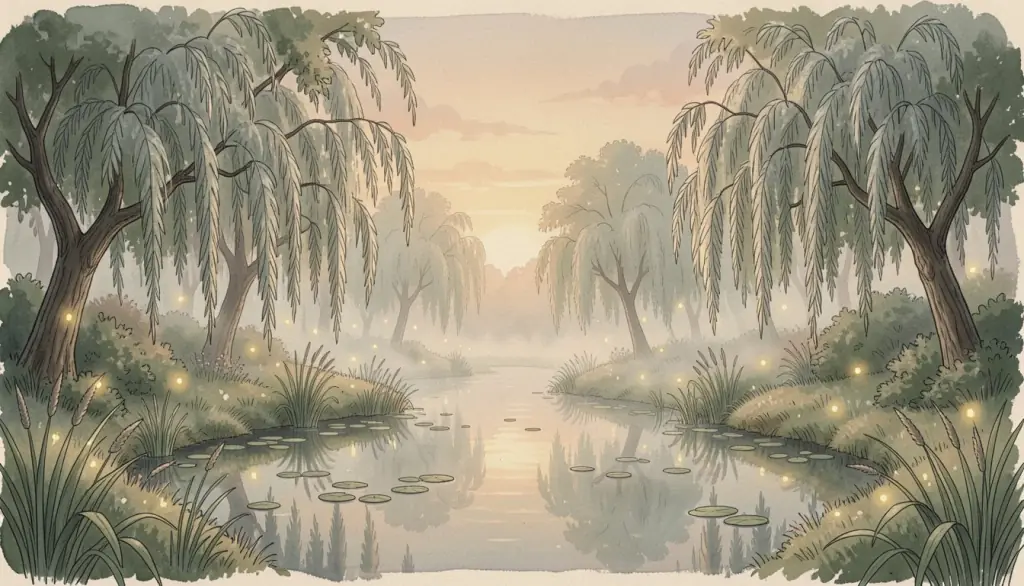
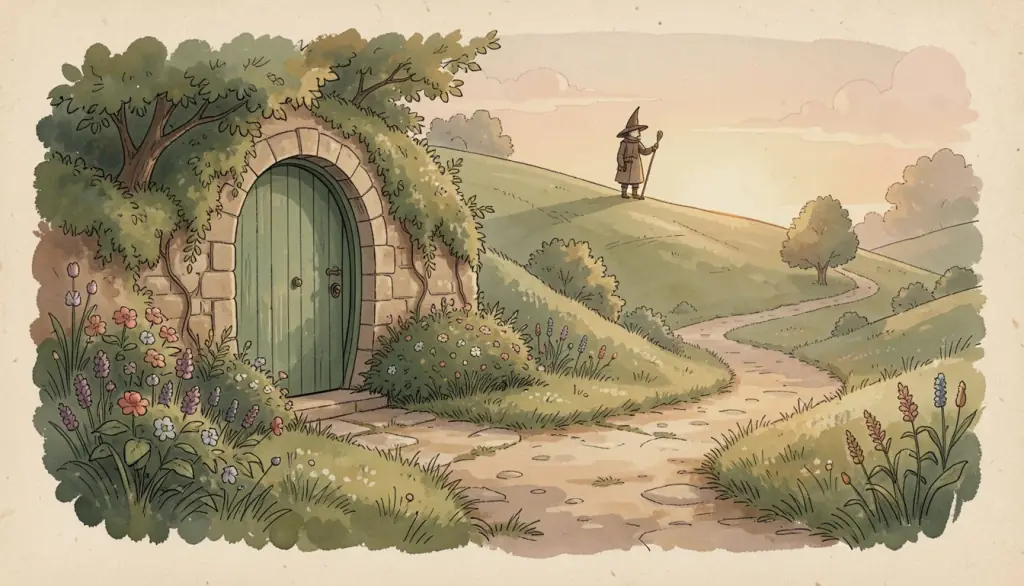
In The Hobbit Gandalf appears to arrive at Bag End almost by whim. He marks Bilbo's door, brings thirteen Dwarves to tea and talks Bilbo into a burglary. Unfinished Tales explains what he was actually doing, in the piece called "The Quest of Erebor", told from Gandalf's own point of view in conversation after the war.
The real concern was Smaug. Gandalf feared that when Sauron moved, he might use the dragon of Erebor against Rivendell and the North, with terrible effect. He met Thorin Oakenshield by chance at Bree, in TA 2941, and saw an opportunity. Thorin wanted his kingdom back; Gandalf wanted the dragon gone and the North secured. He then chose Bilbo over the Dwarves' objections, for reasons he struggled to explain.
Gandalf leaves the company at the edge of Mirkwood because, as he tells them, he has urgent business in the south: the White Council's assault on Dol Guldur in that same year. He reappears at the Battle of Five Armies.
The plan worked better than he knew: Smaug died, Erebor and Dale were restored, and in 3019 the North held. And Bilbo, on the same journey, found a ring in the dark under the Misty Mountains. The full story of that encounter is in The Hobbit's riddle game explained and our Bilbo Baggins page.
This is also where Gandalf gets Glamdring. In the trolls' cave the company finds three Elven blades; Elrond later reads their runes and names Gandalf's sword Glamdring, "Foe-hammer", made for the king of Gondolin (The Hobbit, ch. 3). See our guide to Elvish sword names.
Gandalf and the Ring: From Suspicion to Certainty
Gandalf's slowness about the Ring is often criticised. The facts come from "The Shadow of the Past" and Appendix B.
He knew from 2941 that Bilbo had a magic ring of invisibility, and he was uneasy about Bilbo's account of how he got it, which at first was a lie. He was uneasy again in 3001, at Bilbo's farewell party, when Bilbo grew possessive and nearly refused to leave the ring behind. Only then did he begin to suspect it was the One. He set Aragorn hunting for Gollum, searched the archives of Minas Tirith in 3017 and found Isildur's own account of the Ring, and in April 3018 he came back to Bag End, threw Frodo's ring into the fire and watched the letters appear.
Tolkien has Gandalf admit the delay was a mistake. He blames himself for trusting Saruman's assurances that the One had been lost forever. But the delay also shows his method. He does not seize the Ring when he knows what it is. He hands the choice back to Frodo, and when Frodo offers it to him, he refuses it with real fear. He says that with the Ring he would have power too great and terrible, and that his pity for weakness would become the road to domination.
The same chapter holds his best-known lesson: when Frodo wishes the Ring had never come to him, Gandalf answers that what we decide is what to do with the time we are given.
The Fellowship and the Bridge of Khazad-dûm
Before the Fellowship sets out, Gandalf has already been betrayed. Summoned to Isengard in the summer of 3018, he finds Saruman openly proposing that they ally with Sauron, or seize the Ring for themselves. Gandalf refuses and is held captive at the top of Orthanc until Gwaihir the Windlord carries him away in September. The book tells this in report; there is no duel. He then rides Shadowfax, the greatest horse of Rohan, to the Shire and on toward Rivendell, fighting off Black Riders on Weathertop on the way.
At the Council of Elrond he is one of the nine walkers, and in practice the company's leader. On Caradhras, with the company freezing in the snow, he lights a fire with the Sindarin words Naur an edraith ammen!, which the site's vocabulary data glosses as "Fire be for saving of us" (The Fellowship of the Ring, book II, ch. 3). At the West-gate of Moria he reads the inscription Pedo mellon a minno, "Say friend and enter". Our posts on Speak friend and enter and Lord of the Rings Elvish phrases cover both lines.
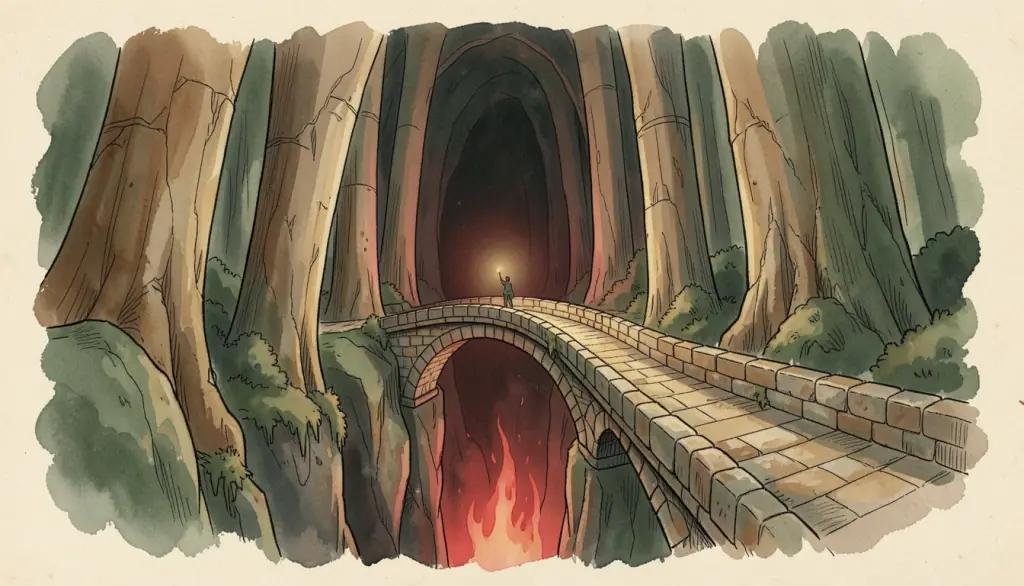
In Moria the Fellowship is caught in the Chamber of Mazarbul, and with the Orcs comes a Balrog, Durin's Bane. Gandalf holds a door against it with a spell of shutting and is nearly broken by its counter-spell. On the narrow Bridge of Khazad-dûm he turns to face it alone and announces who he is: a servant of the Secret Fire, wielder of the flame of Anor. His refusal is "You cannot pass", repeated. He breaks the bridge, the Balrog's whip drags him down, and his last words to the company are "Fly, you fools!" (The Fellowship of the Ring, book II, ch. 5).
The Balrog was a Maia like Gandalf who had followed Morgoth, so two spirits of the same kind meet on the bridge, one faithful and one fallen. Our full account of the creature is in Balrogs of Middle-earth.
Gandalf the White
Gandalf tells the rest in "The White Rider" (The Two Towers). They fell into deep water that quenched the Balrog's fire, and he pursued it up the Endless Stair to the peak of Zirakzigil. There they fought in fire and lightning, he threw his enemy down, and the mountainside broke where it fell. Then darkness took him, and he passed out of thought and time.
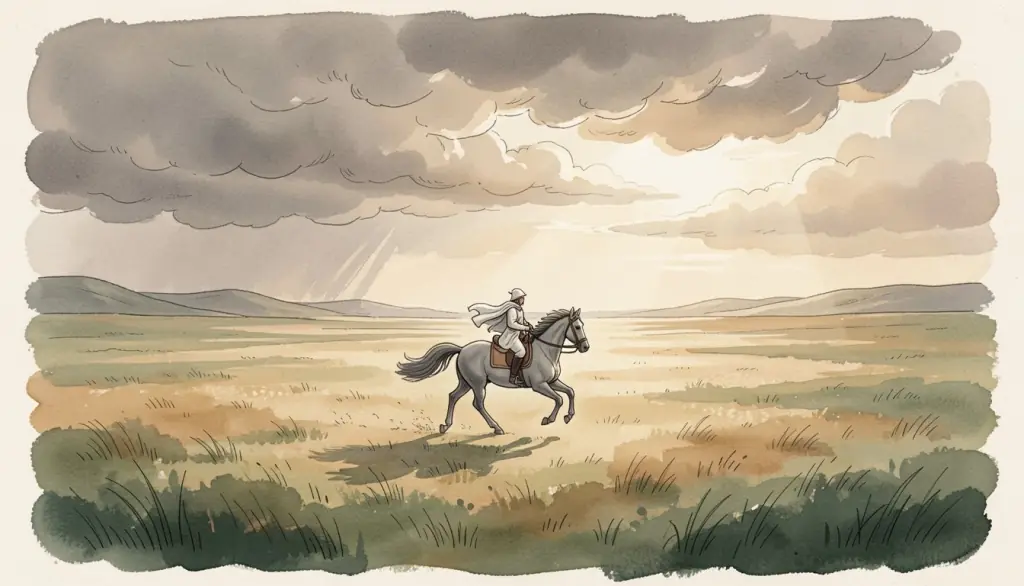
"Naked I was sent back", he says, for a brief time until his task is done. Gwaihir carried him to Lothlórien, where he was clothed in white. Appendix B dates the fall to 15 January 3019, the Balrog's end to 25 January and his return to life to 14 February.
Tolkien was explicit in his letters that this was a real death. In Letter 156 he wrote that Gandalf really died and was changed, and that he was sent back not by the Valar alone but by the authority above them: his sacrifice had gone beyond what the Valar's commission required, and it was accepted. It is the one clear case in the book of Eru Ilúvatar acting directly.
His colour changes because his role changes. Saruman was the White, head of the order, and had betrayed his task. Gandalf returns to take his place. Asked if he is Saruman, he answers that he is, in a way, "Saruman as he should have been" (The Two Towers, book III, ch. 5). At Orthanc he casts Saruman from the order and breaks his staff with a word. For the Isengard side, see Saruman and Isengard.
Gandalf the White is more commanding and laughs more, but he is bound by the same rule: he uses his strength to protect and unmask, never to rule.
The War of the Ring
Rohan. At Edoras he finds King Théoden aged and silent under the counsel of Gríma Wormtongue, Saruman's agent. Théoden greets him as Stormcrow. Gandalf reveals himself, rebukes Gríma and draws Théoden out into the air, where the king straightens and takes up his sword. Théoden recovers his own will; Gandalf does not seize it. Gandalf then rides off and returns with Erkenbrand's men at dawn at the end of the battle of Helm's Deep, as the Huorns close on the Orcs.
Gondor. Gandalf brings Pippin to Minas Tirith, where the Steward Denethor receives him coldly. Gandalf's answer is the clearest statement of his office in the book: the rule of no realm is his, but all worthy things in peril are his care, and he adds "I also am a steward" (The Return of the King, book V, ch. 1). He rescues Faramir from the field and, on the night of the Pelennor, stands alone on Shadowfax at the broken gate when the Lord of the Nazgûl rides in. The Witch-king boasts; the horns of Rohan sound before anything else happens. Our page on the Witch-king of Angmar follows that night from his side.
The last gamble. After the battle Gandalf argues for what looks like suicide: march a small army on the Black Gate to hold Sauron's eye while two Hobbits carry the Ring through his land. At the gate the Mouth of Sauron shows them Frodo's mithril coat and Sam's sword and offers terms; Gandalf takes the tokens and refuses the terms. When the Ring goes into the fire, he calls Gwaihir and flies to Mount Doom to bring Frodo and Sam out.
After the war Gandalf crowns Aragorn on 1 May 3019 at Aragorn's own request, setting the crown on his head and blessing his reign. He tells Aragorn that the time of Men has come and his own work is nearly done.
After the War and the Grey Havens
The journey home in "Homeward Bound" contains one of the most revealing moments in Gandalf's story. As the Hobbits near the Shire, they learn that something is wrong there. Gandalf does not come with them. He turns aside to have a long talk with Tom Bombadil, and he tells them they must settle the Shire's affairs themselves, because that is what they have been trained for. He says his time is over and that it is no longer his task to set things right or help folk to do so.
The Scouring of the Shire follows without him, won by Hobbits.
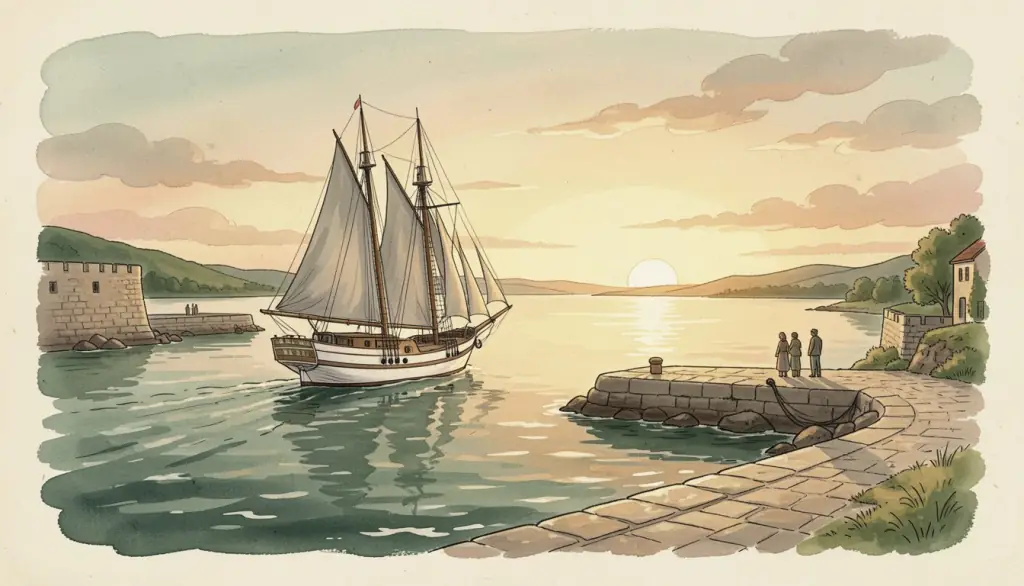
Two years later, on 29 September 3021, he rides to the Grey Havens and boards the last ship of the Ring-bearers with Elrond, Galadriel, Bilbo and Frodo. There, for the first time, the narrative shows Narya on his hand. Sam, Merry and Pippin watch the ship go. Gandalf's farewell is brief and kind: he tells them he will not say do not weep, for not all tears are an evil (The Return of the King, book VI, ch. 9). Our post on Frodo Baggins covers that final voyage from Frodo's side.
Gandalf's Relationships
A Maia has no parents in the human sense, and Gandalf never marries. His story runs through the people he works with.
| Person | Relationship | Where |
|---|---|---|
| Manwë and Varda | The Valar who chose and sent him | Unfinished Tales, "The Istari" |
| Círdan | Recognised his greatness and gave him Narya | Unfinished Tales; Appendix B |
| Saruman | Head of the order, rival, then traitor; Gandalf breaks his staff | The Two Towers |
| Thorin Oakenshield | Sent by Gandalf to retake Erebor | The Hobbit; "The Quest of Erebor" |
| Bilbo Baggins | Chosen as burglar; the first to give up the Ring willingly | The Hobbit; LotR |
| Frodo Baggins | Told the truth of the Ring; guided to Rivendell and Moria | LotR |
| Aragorn | Friend since 2956; partner in the hunt for Gollum; crowned by Gandalf | Appendix A and B |
| Gwaihir | Lord of the Eagles; rescues him twice | LotR |
His friendship with Aragorn is a partnership of equals: they hunt Gollum together for years. The eagles' part, and why they did not fly the Ring to Mordor, is covered in the Great Eagles of Middle-earth.
Gandalf's Names and Languages
Gandalf lists his own names to Faramir in Ithilien: "Many are my names in many countries," he begins, and he gives them by people (The Two Towers, book IV, ch. 5). Each name records how a different people saw him. Here is the short version; for full etymology see Mithrandir meaning.
| Name | Language and people | Meaning |
|---|---|---|
| Olórin | Quenya, Valinor | Connected with olor "dream, vision" (Unfinished Tales) |
| Mithrandir | Sindarin, the Elves and Gondor | "Grey Pilgrim": mith "grey" + randir "wanderer" |
| Gandalf | The Men of the North, rendered by an Old Norse name | "Elf of the wand", from gandr "wand" + álfr "elf" |
| Tharkûn | Khuzdul, the Dwarves | "Staff-man" (Unfinished Tales) |
| Incánus | Used in the South | Uncertain; Tolkien left more than one explanation in his notes |
Each name is a description: dream, grey wanderer, wand-elf, staff-man. Only Olórin names what he is rather than how he looks. Gandalf is not Elvish at all. Tolkien took it from the list of dwarves in the Old Norse Völuspá, in keeping with his practice of rendering northern Mannish names in Norse and Old English forms.
He uses Sindarin at the West-gate and on Caradhras, reads Dwarvish runes in the Chamber of Mazarbul, and at the Council of Elrond speaks the Ring inscription aloud in the Black Speech, which makes the Elves cover their ears and the room grow dark. Our guides to Khuzdul and Tolkien's Elvish languages cover the tongues he moves between.
Gandalf's Powers and Limits
We see him make fire, light his staff, hold doors with spells, break a bridge and destroy a Balrog. As the White he breaks Saruman's staff with a command and drives the Nazgûl off over the Pelennor with light from his raised hand. We never see him overpower Sauron, take command of armies by force, or fix what others can fix themselves.
The limits come from three places. His body was real and could tire, suffer and die, and Unfinished Tales says the Istari's memory of Valinor was dimmed. His mission forbade him to match power with power. And his own character told him that power taken to do good becomes the thing it opposes, the argument he makes to Frodo when he refuses the Ring.
So asking who would win between Gandalf and Sauron misses Tolkien's point. Sauron, among the greatest of the Maiar, was stronger (see Sauron explained). Gandalf did not need to be. His strategy rested on Sauron never imagining that anyone would destroy the Ring, and Gandalf, who had refused it himself, was the one being who could build a plan on that blind spot.
How Tolkien Built Gandalf
Gandalf grew in stages, and the stages are visible in the books.
From The Hobbit. In Tolkien's early drafts of The Hobbit, the wizard was called Bladorthin, and Gandalf was the name of the chief Dwarf, who later became Thorin (as documented in John Rateliff's The History of The Hobbit). Tolkien later said, in Letter 107, that he thought of Gandalf as an "Odinic wanderer", which suits the old man with a staff who appears at a door and sets a story in motion. Humphrey Carpenter's biography also records that Tolkien kept a postcard of a painting called Der Berggeist, "the mountain spirit", and wrote on it that it was the origin of Gandalf.
Into The Lord of the Rings. When the Ring became the One Ring, Gandalf had to become someone who could know what it was, and his history grew backwards.
Into the legendarium. Only after The Lord of the Rings did Tolkien fully work out, in essays published posthumously, that the Wizards were Maiar and Gandalf was Olórin. Read in the order they were written, the books show Gandalf being discovered by his author: first a wandering conjuror, then a wise counsellor, then an angel in disguise.
The Gandalf of The Hobbit is pettier than the later one, and "The Quest of Erebor" partly explains this by giving him hidden reasons. The best reading takes the published books as the story and the posthumous essays as Tolkien's later explanation of it, which is how we have used them here.
Why Tolkien kept him limited. Tolkien was writing about the corrupting nature of power and about the dignity of small people. So he gave his most powerful good character the strictest rules, and had him die once. The Hobbits, not the Wizard, destroy the Ring, and the Hobbits, not the Wizard, save the Shire.
Gandalf in the Books, Films and The Rings of Power
Peter Jackson's Lord of the Rings (2001 to 2003). Ian McKellen's Gandalf is the version most people know, and it is largely faithful in spirit. Gandalf's captivity at Orthanc is shown as a physical duel with Saruman; in the book he is simply imprisoned. The film has Gandalf send a moth to summon Gwaihir, which is not in the book. The famous line on the bridge is "You shall not pass!", where the book has "You cannot pass." In The Return of the King, the film shows Gandalf striking Denethor with his staff, and the extended edition has the Witch-king break Gandalf's staff before the gate; neither happens in the book.
Peter Jackson's Hobbit trilogy (2012 to 2014). The films expand Gandalf's offstage business into onscreen plot. His investigation of Dol Guldur, his capture there and his confrontation with Sauron are developed far beyond the book, which only mentions in passing that he had business in the south.
The Rings of Power (Amazon, 2022 onwards). The series introduces a character called the Stranger, played by Daniel Weyman, who falls from the sky in Season 1 without memory, and who is named as Gandalf at the end of Season 2. The character is the show's invention. In Tolkien the Istari arrive about TA 1000, long after the rings were forged. For what the show does with his names, see the Stranger is Gandalf.
Season 3 (2026). At the time of writing we have no confirmed details of the Stranger's role in Season 3 beyond what the earlier seasons established, and we will not guess. Our Rings of Power Season 3 preview tracks what has been confirmed.
Our view on the adaptations (interpretation). McKellen's performance gets the hardest thing right, which is the balance between warmth and menace. The films' weakness is that they make Gandalf's power visible and loud where Tolkien makes it rare and quiet, and the broken staff before the Witch-king undercuts the whole point of the White Rider. The Rings of Power had a genuine opening in Tolkien: Olórin choosing to take a limited body and forget much of his past. Moving that choice into the Second Age costs the story one of Tolkien's best ideas, which is that the Wizards came late, when the Elves were fading, as a last kind of help.
Our Take
Our view, stated plainly: Gandalf's greatest achievement is not defeating the Balrog or rallying Minas Tirith. It is the moment he refuses to come to the Shire. Everything in his long mission points to that turn on the road near Bree, when he tells the Hobbits they no longer need him and rides off to talk with Bombadil.
A Gandalf who rode in and expelled Saruman's ruffians would have been a better ruler than Lotho or Sharkey, but he would have been a ruler. The Hobbits would have learned that the strong fix things for the weak, which is Saruman's lesson. Instead they rescue themselves. Merry blows the horn of Rohan in the Shire, Pippin brings the Tooks, and Frodo stops them from killing more than they must. The pity Olórin learned from Nienna has passed into a Hobbit.
This is why we think readers are wrong to see Gandalf's absences as plot conveniences. He leaves the Dwarves before Mirkwood, and they have to rely on Bilbo, who becomes a hero. He falls in Moria, and the Fellowship has to choose for itself, which is how Boromir finds redemption and Aragorn accepts his kingship. He leaves the Shire, and the Hobbits finish the story.
It also explains why Tolkien made him afraid. A Wizard eager to fight Sauron would have been a Saruman in waiting. In a story about the corruption of the strong, Tolkien's strongest good character is the one who most wants to give power away.
People Also Ask
Who is Gandalf in Lord of the Rings?
One of the five Wizards, sent about TA 1000 to help the free peoples resist Sauron. He launches Thorin's quest, identifies the One Ring, guides the Fellowship, returns as the White and directs the War of the Ring.
What is Gandalf?
A Maia, one of the spirits who entered the world with the Valar, called Olórin in Valinor and counted the wisest of the Maiar.
How old is Gandalf?
As a Maia he is older than the world. In Middle-earth he lived from about TA 1000 to 3021, a little over two thousand years.
Does Gandalf die in Lord of the Rings?
Yes. After throwing down the Balrog on Zirakzigil in January 3019 he dies, and is sent back as Gandalf the White. Tolkien confirmed in Letter 156 that it was a real death.
What are Gandalf's other names?
Mithrandir (Elves), Tharkûn (Dwarves), Olórin (Valinor), Incánus (the South) and Gandalf (the North). See Mithrandir meaning.
What is the difference between Gandalf the Grey and Gandalf the White?
The Grey is the humble, limited Wizard before Moria. The White returns with greater power and takes Saruman's place as head of the order.
What ring does Gandalf have?
Narya, the Ring of Fire, with a red stone, given to him by Círdan. See the Three Elven Rings.
Why doesn't Gandalf just defeat Sauron himself?
The Wizards were forbidden to match Sauron's power with power or to dominate. Taking the Ring would have made Gandalf a new Dark Lord.
What happens to Gandalf at the end of Lord of the Rings?
He crowns Aragorn, leaves the Hobbits near Bree to visit Tom Bombadil, and on 29 September 3021 sails West from the Grey Havens.
Who plays Gandalf?
Ian McKellen in Peter Jackson's films; in The Rings of Power the Stranger, played by Daniel Weyman, is named Gandalf at the end of Season 2.
Learn the Elvish Gandalf Speaks
Gandalf's spells and names are real Sindarin and Quenya, built by Tolkien with their own grammar. Our free Elvish course teaches both languages from the first lesson using words Tolkien actually wrote, so you can read Naur an edraith ammen, Pedo mellon a minno and Mithrandir for yourself, and see why the Elves named him the Grey Pilgrim.
Related Reading
- Characters of Middle-earth: Who Is Who in Tolkien's World
- Aragorn Explained: Strider, Thorongil and King Elessar in the Books and Films
- Gollum Explained: Sméagol, the One Ring and the Road to Mount Doom
- Mithrandir Meaning: Gandalf's Elvish Name Explained
- The Wizards of Middle-earth: Who the Five Istari Really Were
- The Stranger Is Gandalf: One Wizard, Five Names and What They Mean
- The Blue Wizards: Alatar, Pallando and the Two Names Tolkien Gave Them
- The Three Elven Rings: Nenya, Narya and Vilya Explained
- Balrogs of Middle-earth: Valaraukar, Durin's Bane and Gothmog
- Saruman Explained: Curumo, Curunír and the Fall of the White Wizard
- Radagast the Brown Explained: Aiwendil, Rhosgobel and the Wizard of Beasts and Birds
- Saruman, Isengard and the Elvish Language
- Círdan the Shipwright Explained
- Bilbo Baggins Explained
- Speak Friend and Enter in Elvish
People Also Ask
Who is Gandalf in Lord of the Rings?
Gandalf is one of the Istari, the Wizards, sent to Middle-earth around the year 1000 of the Third Age to help its peoples resist Sauron. He organises the quest of Thorin in The Hobbit, discovers that Bilbo's ring is the One Ring, guides the Fellowship until he falls in Moria, returns as Gandalf the White and directs the War of the Ring. He sails West in 3021 of the Third Age.
What is Gandalf?
Gandalf is a Maia, one of the lesser spirits who entered the world with the Valar. In Valinor he was called Olórin and was counted the wisest of the Maiar. As a Wizard he was clothed in the body of an old man, with his power deliberately limited, so that he would guide the free peoples rather than rule them.
How old is Gandalf?
As a Maia, Gandalf existed before the world was made, so he has no age in the human sense. In Middle-earth he lived from about the year 1000 of the Third Age until he sailed West in 3021, a little over two thousand years in the body of an old man.
Does Gandalf die in Lord of the Rings?
Yes. He falls from the Bridge of Khazad-dûm in January 3019, pursues the Balrog to the peak of Zirakzigil, throws it down and then dies there. He is sent back to life with greater power to finish his task, and returns as Gandalf the White. Tolkien said in his letters that this was a real death and return, not a trick.
What are Gandalf's other names?
Gandalf lists them himself to Faramir: Mithrandir among the Elves, Tharkûn to the Dwarves, Olórin in his youth in the West, Incánus in the South and Gandalf in the North. Mithrandir is Sindarin for Grey Pilgrim, Olórin is Quenya and connected with dreams and visions, and Tharkûn is Dwarvish for Staff-man.
What is the difference between Gandalf the Grey and Gandalf the White?
Gandalf the Grey is the Wizard before Moria, deliberately humble and limited. After his death and return he becomes Gandalf the White, with greater power and authority, and takes the place Saruman had betrayed as head of the order. He says himself that he is Saruman as he should have been.
What ring does Gandalf have?
Gandalf wears Narya, the Ring of Fire, one of the Three Elven Rings, set with a red stone. Círdan the Shipwright gave it to him when he landed at the Grey Havens. Readers only learn this in the final chapter of The Lord of the Rings, when he wears it openly.
Why doesn't Gandalf just defeat Sauron himself?
The Wizards were forbidden to match Sauron's power with power or to dominate the peoples they came to help. Gandalf's task was to rouse and counsel, not to rule. Taking the One Ring would have made him a new Dark Lord, which is why he refuses it when Frodo offers it.
What happens to Gandalf at the end of Lord of the Rings?
After the war he crowns Aragorn, travels home with the Hobbits as far as Bree, then leaves to talk with Tom Bombadil. On 29 September 3021 of the Third Age he sails from the Grey Havens with Elrond, Galadriel, Bilbo and Frodo, his task finished.
Who plays Gandalf?
Ian McKellen plays Gandalf in Peter Jackson's Lord of the Rings trilogy and his Hobbit trilogy. In Amazon's The Rings of Power, the Stranger, played by Daniel Weyman, is named as Gandalf at the end of Season 2, a character the show invented.
Related Tags
Learn Elvish Free
39 free Elvish lessons, an AI tutor, and spaced repetition review — no credit card required.
Start Learning Free